What’s a lesson you’ve learned recently that shifted your perspective?
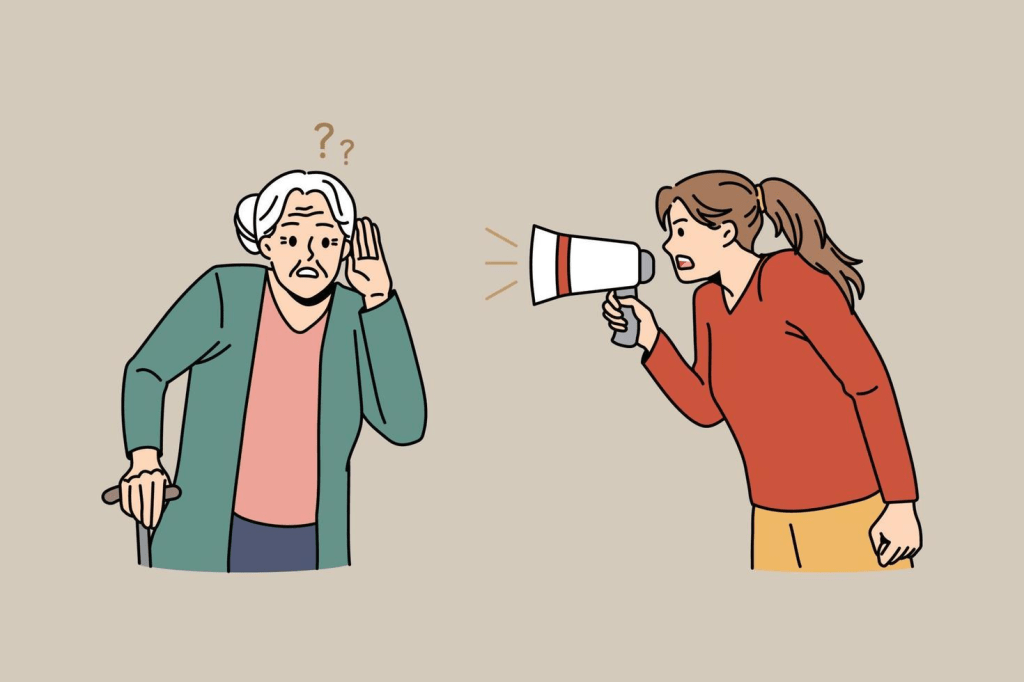
Problems often speak before they shout. That is something I have been learning recently.
Looking back, there have been situations where the signs were there early in the piece. They were not dramatic. They were not disasters. No alarms were ringing. But there were small clues. A repeated tension. A conversation I avoided. A sense of unease. A pattern that I noticed, but did not take seriously enough.
At the time, it was easy to explain these things away. It is probably nothing. It will sort itself out. People are just tired. I do not want to overreact.
Sometimes that is true. Not every small concern needs intervention. People have bad days. Misunderstandings happen. Some things are resolved through normal human interaction. Life would be exhausting if every minor irritation became a major issue.
But sometimes “probably nothing” is the first form a real problem takes. The challenge is to learn the difference.
I wonder whether maturity has something to do with paying attention earlier, without becoming anxious or dramatic. Not every warning sign is a crisis, but it may still be worth noticing. A dashboard light does not mean the car has broken down. It simply means something needs checking.
The same is true in life. Irritation, dread, avoidance, tiredness or defensiveness may not tell the whole truth, but they tell us something. Feelings are not always facts, but they are often clues. They should not be allowed to command us, but neither should they be ignored.
That is where better questions matter. What did I notice? What did I hear? Is this a one-off, or is it becoming a pattern? Am I avoiding looking at this closely? Will this be resolved through ordinary patience and conversation, or does it need a more deliberate response? What is the next proportionate step?
These questions do not remove regret, but they can redeem it. Regret is a poor manager, but it can be a useful teacher. The point is not to punish ourselves for what we missed. The point is to become more attentive next time.
There is a better way than denial on one side and panic on the other. It is attention without alarm.
Sometimes the kindest thing we can do is ask the earlier question. Not to accuse. Not to control. Not to magnify the problem. Simply to understand what is really happening while the issue is still small enough to be named calmly.
Problems often speak before they shout. I am trying to listen sooner.


Leave a comment