Name your top three pet peeves.
I don’t get particularly irritated by these things, but I notice them—mainly because they hint at something larger. They remind us of how our shared life works, and how easily it frays when we forget that we live together, not alone.
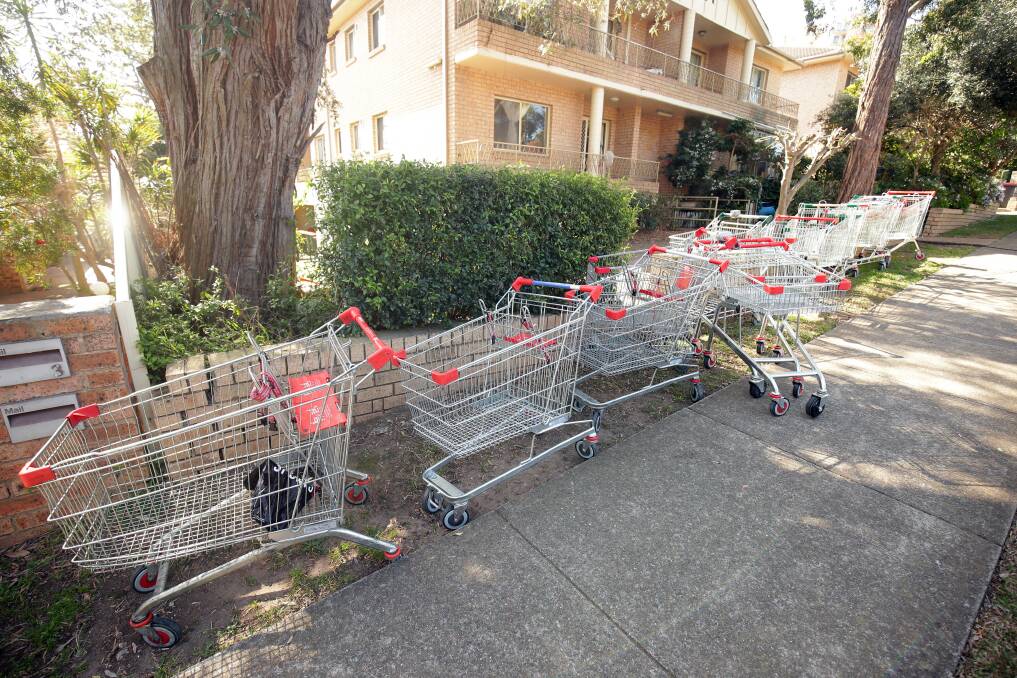
1. Abandoned Shopping Trolleys
I understand why people wheel a trolley home or into the carpark. What I don’t understand is the moment after, when it’s simply left there, stranded. Someone has to take it back. The trolley itself doesn’t matter much—but what it represents does. Returning it is a small act of kindness, a quiet favour for the next person. It’s the kind of thing that says, “We live in this place together, and I’ll do my bit to look after it.”
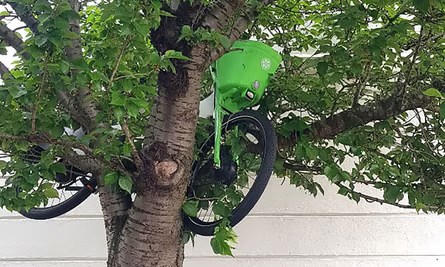
2. Lime Bikes in Garden Beds
Sydney has developed a peculiar habit: Lime bikes perched in hedges, tipped into garden beds, even flung into trees. In Brisbane someone joked that the Brisbane River has become their natural habitat. Partly it’s funny, partly it’s just the cost of new systems adjusting to human behaviour. Surely we can use the conveniences of modern life without leaving them as colourful debris across the city? It’s not about the bike. It’s about treating public spaces as our shared space.
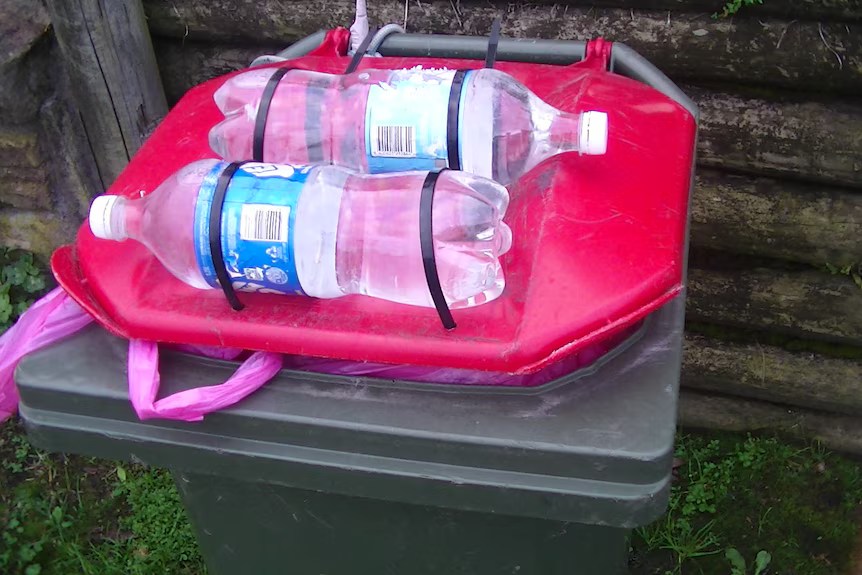
3. Cockatoos Raiding Garbage Bins
Cockatoos are brilliant creatures—curious, mischievous, problem-solvers. In parts of Sydney and Wollongong they’ve learned to open bin lids with precision, leaving the street in a confetti of last night’s dinner scraps. People have resorted to all sorts of contraptions to keep them out. But even here, buried in the mess, is the same value: thoughtful coexistence. We build systems; the wildlife adapts; we adjust again. It’s the ongoing dialogue between humans and the place we inhabit.
In the end, these aren’t really irritations. They’re all signposts pointing toward the same truth: shared spaces work best when we each take responsibility—not because the object matters, but because everyone around us does.


 The Afterword
Leave a reply to wrookieschu Cancel reply