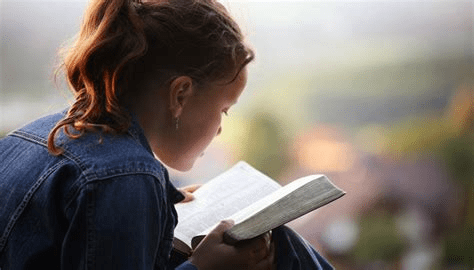
Which book have you read more than any other?
The book I have read more than any other is the Bible. That answer is hardly surprising. I spent twenty years in parish ministry, another twelve years teaching theology, and much of my life preaching, studying, teaching and reflecting on Scripture. I have read it devotionally, academically, publicly and privately. I have read some passages so often that I can anticipate their rhythms.
Yet even though I am familiar with it, I have not exhausted its richness. I return to the Bible because life rarely arrives as a coherent story. It comes in fragments: choices, mistakes, losses, relationships, unexpected opportunities, disappointments and moments of grace. At times, those fragments can feel chaotic, but Scripture provides a larger story within which they can begin to make sense. It teaches us how to recognise the patterns of human life: creation and desolation, exile and homecoming, failure and forgiveness, death and resurrection. It reminds us that we are not the first people to be lost, afraid, compromised, hopeful or in need of grace.
But the Bible does more than help me interpret my experience. That would leave me at the centre, treating it as a tool for making sense of my own life. Its purpose is larger than that. Scripture reveals the character of God and God’s intentions for the world. It tells the story of a God committed to justice, mercy, reconciliation, restoration and love. The question is therefore not simply, What does this experience mean for me? It is also, How does this experience look in the light of who God is? How should I respond if my life is to be aligned with God’s purposes?
That distinction matters. Experience does not interpret itself. What feels like success may be ambition. What feels like failure may be faithfulness. What feels justified may be inconsistent with mercy. What appears to be weakness may be the beginning of grace.
I return to Scripture because I need more than reassurance. I need correction. I need to be reminded that my life is not the main story, and that the task is not simply to make my own fragments meaningful. It is to locate them within the story of what God is doing in the world and to ask how I might participate faithfully in it. Perhaps that is why the Bible remains endlessly readable.


Leave a Reply