Last time Jesus was on earth,
crowds followed him
like a rockstar,
not fanboys,
not fangirls,
but the poor,
the sick,
the unclean,
the hungry,
the frightened,
the ones who had run out
of other doors to knock on.
And he did not turn them away.
Often late into the night
compassion kept him awake,
healing one more body,
touching one more wound,
answering one more desperate hope.
Then, in James’s church,
someone walked in
wearing fine clothes,
the kind that made heads turn
and chairs appear.
And someone else walked in poor,
unpolished,
inconvenient,
easily placed at the edge of the room.
Stand there.
Sit at my feet.
Know your place.
James does not call this good manners.
He calls it judgement.
Not an opinion,
open to correction,
open to conversation,
but judgement—
the fixed verdict
that says we know what a person is worth
because we have seen what they wear,
where they live,
what they earn,
what they failed at,
what category they fit.
The human race is a judgement vending machine.
Insert appearance,
receive conclusion.
We mistake appearance for reality.
We admire the people
whose approval we want.
We overlook the people
who can do nothing for us.
Every generation has its favourites.
Every age has its wars—
gender wars,
class wars,
race wars,
the endless sorting
of neighbours into enemies.
But God is not like this.
God does not bend toward the impressive.
God does not flatter wealth.
God does not confuse status with substance.
God is just.
God is fair.
God defends the fatherless and the widow.
God sees the child on the rubbish heap,
the family without a future,
the person everyone else has learned
not to notice.
And sometimes God breaks in
through people who cannot sleep.
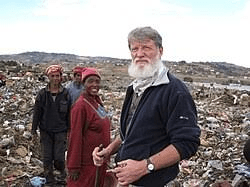
Father Pedro sees children
fighting animals for scraps
in Madagascar
and prays,
Lord, help me do something
for these children.
He has no money,
only a conviction:
God does not abandon the poor.
So he sits on the ground.
He stays.
He builds.
He serves.
And mercy becomes bricks,
schools,
villages,
food,
dignity,
a future.
Akamasoa,
the good and faithful friends
This is not sentiment.
This is merciful justice.
Not judging,
but serving.
Not fearing,
but trusting.
Not reducing people
to their last Instagram post,
their worst mistake,
their poverty,
their wealth,
their usefulness,
their tribe.
Loving your neighbour
as yourself.
Mercy is free,
but being merciful
will cost us.
It will cost us comfort.
It will cost us pride.
It will cost us the pleasure
of feeling superior.
But every judgement we throw
comes back to us.
Every verdict we hand down
echoes toward the day
when we ourselves stand exposed.
And there,
Jesus stands in our place.
The one who welcomed the poor,
the outcast,
the needy,
the judged,
takes our condemnation
upon himself.
So speak
and act
as people who will be judged
by the law that gives freedom.
Let mercy interrupt
our first impressions.
Let mercy loosen
our clenched conclusions.
Let mercy teach us
to see.
For judgement has had
its long, noisy reign.
But mercy –
quiet, costly, stubborn mercy –
triumphs.
Original message by Sean Tan, The Bridge Church Macquarie Park NSW
10 May 2026
For further information on the work of Father Pedro Opeka:
https://www.perepedro-akamasoa.net/


Leave a comment