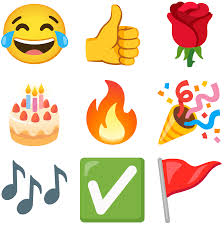
What are your favourite emojis?
In years to come, what tales I’ll tell future generations — or anyone who will pause long enough to listen. Because all young people should know what shaped their world, and which small yellow faces were involved.
“Call that communicating?” I’ll say. “You should have seen us before emojis.”
They’ll beg me for more.
“Tell us again,” they’ll say, “about when people used only words in text messages, and no one knew whether ‘Fine’ meant fine, furious, wounded, exhausted, or quietly reassessing a relationship.”
Back then we had old-fashioned signs. Tone of voice. Raised eyebrows. Small laughs. Long pauses. Sighs that changed the meaning of entire sentences. A look across the room that said, “I’m with you.”
Then along came texting, stripping sentences of their emotional clothing.
I was late to emojis. They arrived when I was already set in my ways, but being around university students all day has shaped me a little.
So I have developed a small digital vocabulary.
😊 means: I really do appreciate this.
🙏 means: Thank you; I am holding this seriously, and possibly prayerfully.
👍 means: Yes, that sounds good.
☕ means: This deserves more than a message. Let’s sit down like humans.
❤️ when the relationship can carry it.
I still prefer a face, a voice, a chair pulled closer, a silence that does not need explaining.
But I understand emojis now. A little.
They are not always the collapse of civilisation. Sometimes they are small attempts to put tone back into a world that keeps removing it.
Little yellow ambassadors of intention.
Even when we invent faster ways to communicate, we still want faces, gestures, tone, humour, affection, and little signs that say: “This is how I mean it.”


 The Afterword
Leave a comment