When I think about sacrifice, it rarely feels like I’ve given something up. I chose this path—this calling—and it has been full of meaning, challenge, and joy. But sacrifice has a way of surfacing not just in what we surrender personally, but in what those close to us carry because of our choices. If there’s a cost, I often see it most clearly in the lives of my family.
My greatest sacrifices have centred on work. Years ago, I left a secure and well-paid job in a major bank to study Theology. It wasn’t a strategic career move—it was a decision driven by conviction. I chose purpose over progression, meaning over money. And though I stepped into work that I loved—as a parish minister and later a theological educator—I did so knowing the path would be less stable, more demanding, and at times, isolating.
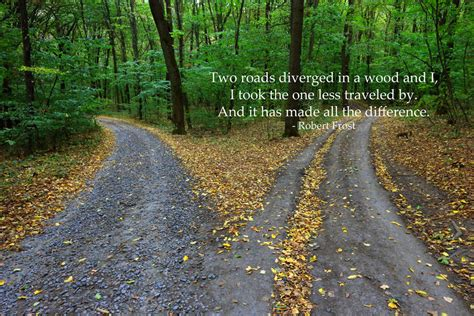
Many of the sacrifices have been financial. While friends were building careers, buying homes, and securing futures, I was re-training for a vocation I knew would be low-paid and high-stress. I never resented this. But I was aware I was walking a different road—one less marked by milestones of success and more by the quiet rewards of faithful service.
Time, too, has been costly. Weekends—the time most people guard as family time—became my busiest workdays. We had to learn to carve out time for rest and connection in the in-between spaces. Ministry doesn’t follow a tidy schedule. It bleeds into every corner of life, and family has often absorbed that spillover.
There have been practical limitations too. For years we lived in housing tied to the job—someone else’s home. There’s a subtle pressure that comes with always needing permission, never quite feeling rooted. And when I moved into academic work, we entered the rental market, facing the insecurity that so many know—never sure when a lease might end, or if we’d need to move again.
And then there’s the matter of privacy. In ministry, you live in the public eye. People know you—not just from church, but from weddings, funerals, major life events. You walk through the shopping mall and someone looks at you with that glimmer of recognition. You nod, smile, say hello. You don’t know their name, but they know something of your voice, your face, your presence. That can be disorienting—and harder still for family, who never quite know when they’re “on display.”
Yet in this, too, I’ve come to see a hidden grace. That one-sided intimacy, which at first felt like exposure, has become something else entirely: a privilege. Because of my role, people share things with me that they don’t share with their closest friends. They let me into the sacred spaces of their lives—their grief, their hope, their questions. And that is not something I take lightly. It is humbling. It is holy.
In the end, I do not count these as heavy sacrifices. I have not lost so much as I have chosen differently. I have pursued goals centred on God and people, not wealth or convenience. The real cost—what I feel most deeply—is the impact on those I love. They give up more than they should have to. And I carry their pain with me, gratefully and with sorrow.
Sacrifice, for me, has not been about giving things up, but about living in tension. It is the tension of knowing your life matters in ways you can’t measure, while those you love quietly bear the cost. It is the ache of choosing the meaningful, even when it means doing without. And it is the deep joy of being entrusted with the stories, wounds, and prayers of others.
That, too, is its own reward.
What You Chose
You didn’t give it all up—
you chose differently.
While others climbed ladders,
you followed a thread of meaning
into less certain rooms.
The pay was light,
the hours long,
the weekends full
of everyone else’s need.
Home and time were borrowed,
privacy often felt leased.
You entered lives
through side doors,
not as a friend
but as one entrusted—
a keeper of pain,
a witness to hope.
The cost was never yours alone.
Your family felt the weight,
the interruptions,
the quiet sacrifices.
And still—
if this is sacrifice,
let it be this kind:
not for loss,
but for love that serves willingly,
and the sacred weight
of being allowed
to listen.
 The Afterword
Leave a comment