Have you ever regretted reading a book — which one and why?
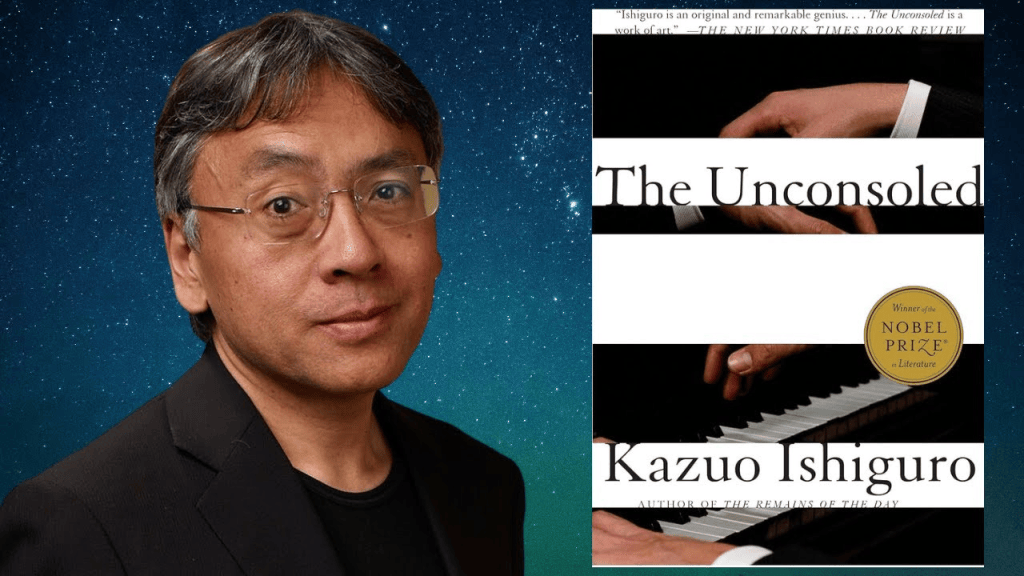
I read Kazuo Ishiguro’s The Unconsoled when it first came out. I’m not entirely sure why I picked it up, except that everyone seemed to be reading Ishiguro at the time. The Remains of the Day had appeared a few years earlier and there was a sense that he was a writer you ought to be paying attention to. So I read it. And I struggled.
I struggled with the style, the content, the whole dreamlike atmosphere. Dreamlike and me are not a good fit. I wanted something firmer to hold onto. Instead, everything seemed slippery, strange and slightly out of reach. It felt too long, too opaque and too frustrating.
Naturally, I finished it. There is a particular kind of stubbornness involved in finishing a book you are not enjoying. Part of you keeps thinking that surely, eventually, you will see what everyone else sees. I didn’t.
For years I thought of The Unconsoled as a book I regretted reading. But then something odd happened.
A little later, I wrote a creative piece of my own and found that I could not get the voice of Ishiguro’s main character out of my head. It had become a kind of literary earworm. I disliked the book. I wasn’t even sure I understood it. Yet somehow it had got inside me.
The piece I wrote was eventually published. Which makes the regret a little more complicated.
We assume that the books which influence us will be the books we love. But influence is not always that neat. We don’t entirely get to choose what lodges in the imagination. Even books we dislike can become part of us.
Perhaps reading sometimes works underground. We close a book convinced it has given us nothing, only to discover later that something has taken root.
I still don’t particularly like The Unconsoled. I still have no desire to read it again. But I’m no longer quite sure I regret reading it.
We don’t always know what a book has given us until something unexpected grows from it.


Leave a comment