What villain actually had a good point?
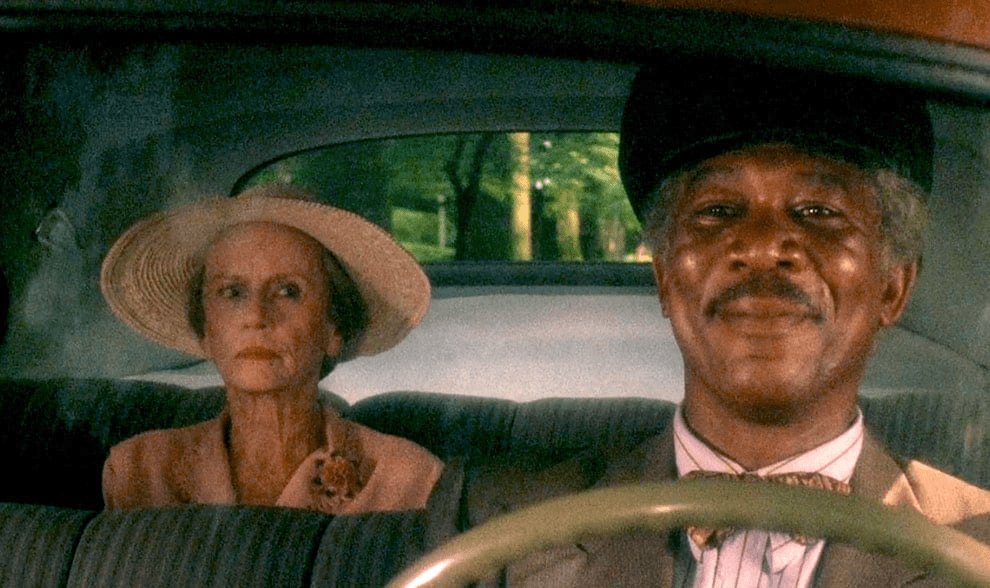
I love the movie, Driving Miss Daisy. The characters are wonderful. Their relationships are beautiful. And it is funny as well.
There is no straightforward villain in that film. Hoke is not the villain. Boolie is not the villain. Miss Daisy is flawed, proud, defensive, and shaped by the prejudices of her time, but she is not the villain either. The villain is quieter than that. It is age. It is dependence. It is the loss of control.
Miss Daisy resists having a driver because accepting help means admitting that life has changed. She can no longer do what she once did. Her independence is being reduced. Her dignity feels threatened. There is humiliation in needing help, especially when you have spent your life assuming you can manage on your own.
In that sense, the villain has a point. Life has changed. Miss Daisy cannot simply go on as before. The truth is unwelcome, but it is still true.
What makes the film beautiful is that her loss of independence does not have the final word. The very thing Miss Daisy resists becomes the setting for a slow and stubborn friendship. Across race, class, age, and time, something tender begins to grow. It is not sentimental or instant. It is awkward, resistant, and uneven. That is why it feels real.
Sometimes the villain is not a person. Sometimes the villain is loss of control. It tells us the truth we do not want to hear. We are not as independent as we imagined. We cannot handle things alone. We need other people.
But that unwelcome truth can also become a doorway. Miss Daisy loses something real, but she also receives something real. Companionship. Trust. Affection. Friendship.
That may be why I love Driving Miss Daisy so much. It is not flash. Its power is quiet. It shows that one of life’s painful limitations can also become the place where grace enters.


 The Afterword
Leave a comment