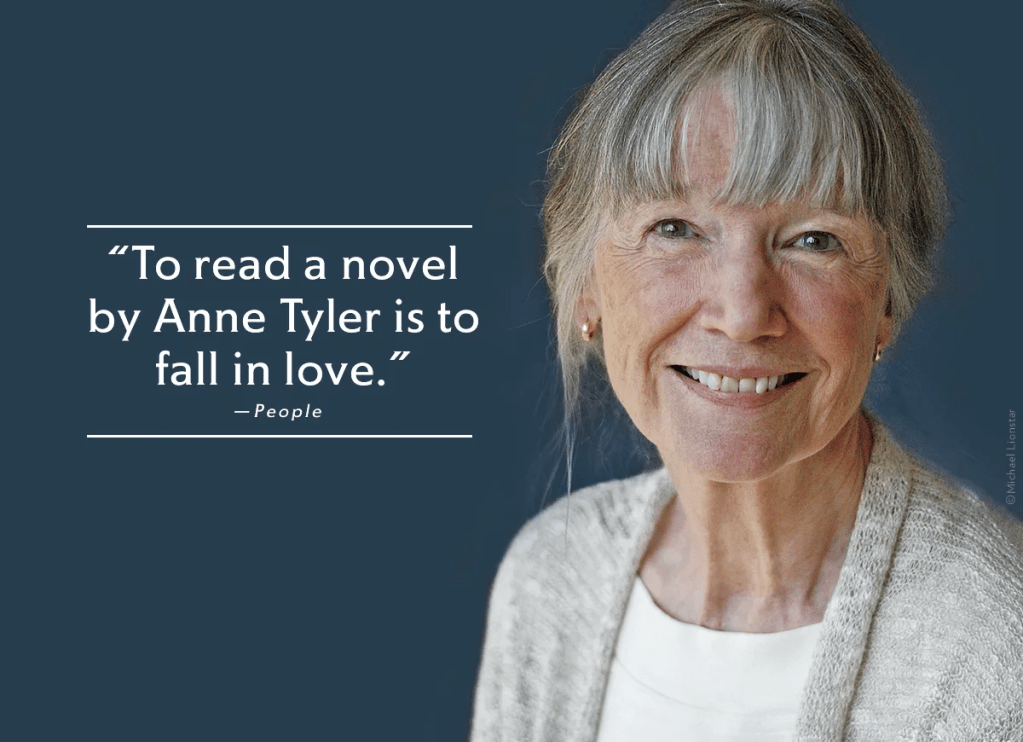
If you could change the ending of any book, which one would it be?
I must admit that I baulk at the question. The reason is simple. I respect art too much. A book is not a product for my satisfaction. It is the work of another person’s imagination. So whether I like the ending or not, I won’t tamper with it. My instinct is not to alter it, but to ask why the author ended it that way. To let it do its work.
That is especially true for the novels of Anne Tyler. I have written before about how much I admire her work. Breathing Lessons, Dinner at the Homesick Restaurant, and Saint Maybe are my favourites because of the way they portray ordinary family life with such tenderness and honesty. Tyler understands the disappointments, misunderstandings, loyalties, irritations, and acts of mercy that shape a life.
What I particularly admire is the way her novels end. They resolve, but without fully resolving. They close on moments of partial reconciliation, tempered acceptance, or quiet connection. Family patterns remain. Old wounds are not magically healed. Characters do not suddenly become entirely different people. But something has shifted. There is a little more understanding. A little more mercy. A slightly greater capacity to carry the life they have been given. Tyler never gives her characters a neat emotional resolution. Instead, she gives them a moment of clarity. Her characters do not solve their lives; they simply learn to carry them differently.
That feels true to me. Real life rarely ends with a flourish. It does not usually arrive at the kind of dramatic resolution we expect from Hollywood. Most of us do not experience one great scene in which everything is explained, forgiven, and transformed. More often, life continues through small acts of patience, disappointment, tenderness, and forgiveness. We remain flawed. We remain entangled. We don’t give up.
That is why I would not change Anne Tyler’s endings. They do not “fix” life. They reveal it. They remind us that healing is often partial, reconciliation is often imperfect, and grace is often found in small domestic moments rather than grand dramatic gestures. I know this does not make great theatre. But it is rich in truth and insight.
In the end, I am not sure I want to change the ending of any book. The ending belongs to the author. My task as a reader is to receive it. To listen carefully. To allow another person’s insight to challenge, unsettle, comfort, or enlarge me. And sometimes the endings that refuse to satisfy us too quickly are the ones we need most. They teach us to live with what remains unfinished.


Leave a comment