Do you spend more time thinking about the future or the past? Why?
I probably spend more time thinking about the future than the past — and it’s less about personality than values.
I’m drawn to long horizons. I often ask: What needs to happen now to build the best possible future in fifty years’ time? Even if I won’t be here then, I want the choices I make now to contribute to something that outlasts me.
But the past matters too — not as a place to live, but as a place to learn. It gives us founding stories and long friendships. It holds gratitude and regret. It shows the values that formed us, and the patterns we keep repeating until we pay attention.
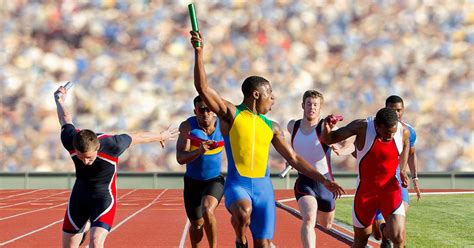
Lately I’ve been thinking of life as a relay race. Each leg has its own work, and the changeovers matter. If I live as long as my forebears, I’m now entering the fourth and final leg.
The first leg was childhood and youth — foundations laid, values planted. The second was twenty-plus years in parish ministry, sharing life closely with people in all sorts of seasons. The third was twenty-five years in academia: thinking, teaching, mentoring, and investing in others.
Now comes the last leg. In Philippians, Paul describes the Christian life as “straining toward what is ahead,” like a runner leaning for the line. That image helps me name what I want this season to be: not a long holiday, not a drift toward comfort, but a focused effort to finish well.
One practical expression of that is a scholarship I’d like to establish — one that enables postgraduate students to do significant research without the constant strain of balancing work and study. The kind of work I have in mind holds together intellectual rigour joined to moral and spiritual depth, for the good of others.
So yes, I think about the future a lot. Not because I’m dismissive of the past, but because I want the future to be more than mine. And I need the past to keep that future honest, grounded, and human.


 The Afterword
Leave a comment