In a world that worships the self, Augustine’s Confessions reads like a heresy. Where our age insists, “Be true to yourself,” Augustine responds, “But what if I don’t know who that is?”
We often link freedom with the power to choose—what we eat, where we live, how we present ourselves to the world. Desire becomes our compass, and choice our salvation. But Augustine warns us: desire can be distorted, and the will—though free—is not always trustworthy. We are free to choose, but not always able to choose well. A disordered will doesn’t lead to liberty—it leads to bondage.
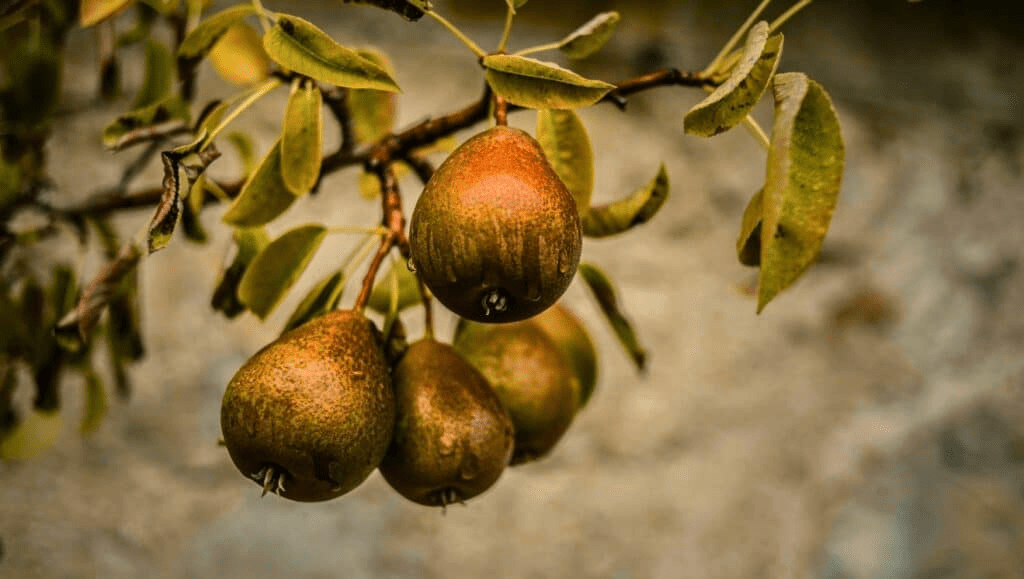
That is the real slavery: not the lack of options, but the inability to choose rightly. Augustine’s famous story of the stolen pears, told in Confessions, is a vivid illustration of this. As a teenager, he and some friends crept into a neighbour’s orchard at night and stole a heap of pears—not because they were hungry, or because the fruit was especially delicious, but simply for the thrill of doing wrong. “The actual stealing, the transgression,” he writes, “was going to be my treat.” He didn’t even eat the pears. He threw them to the pigs. The point wasn’t the fruit—it was the rebellion.
This disturbed him deeply in later life. Why would he desire what he knew was wrong? Why love the sin itself? That’s the unsettling truth: sometimes we love what ruins us. And in that misdirected desire, he recognised not freedom, but bondage.
True freedom is not doing whatever we want. It is wanting what is truly good, and being empowered to pursue it. And that is not something we can manufacture within ourselves. It is something that must be given, over time, in mercy. This is the freedom Augustine longed for—not the kind that affirms every impulse, but the kind that purifies desire, reorders love, and heals the will.
The path to freedom is not self-mastery. It is surrender—surrender to the God who knows the human heart better than we do, and who loves us still. Only when we acknowledge our captivity can we begin to be set free. And if the Son makes us free—then we are free indeed.
The moment we admit we are not enough, we are finally free to receive what we need most.
Stolen Pears
I took the pears—
not from hunger,
not for beauty,
but for the thrill
of doing wrong.
We threw them to the pigs.
Even now,
it isn’t the theft that shames me
but the love of it—
the joy in my own undoing.
What kind of freedom is that?
I thought I was free.
But my will was tangled
in desires that led nowhere.
I have become a question to myself.
And the answer?
It did not come from me.
It came from the One
who saw the boy in the orchard
and did not turn away.
There is no freedom
in chasing your own undoing.
But there is freedom
in being found.
And loved.
And led home.


Leave a Reply