When the COVID-19 pandemic hit, Robert Menzies College (RMC) at Macquarie University, Sydney, found itself in a uniquely higher-risk setting. As a residential college, we faced a heightened potential for contagion. But rather than respond with fear or retreat, we chose to step forward—digging deep into our identity as a Caregiver institution.
RMC has always seen itself as a place of care—where people entrust us with their children, and we take that trust seriously. The crisis called us to make that care even more tangible.
We drew strength and perspective from history. Rodney Stark’s The Triumph of Christianity recounts how, during a devastating epidemic in 165 AD, Roman doctors and priests fled the cities. Families abandoned their sick in the streets, driven by fear and a lack of belief in any divine concern for human suffering. In contrast, early Christians stayed. They nursed the sick. They did not flee from suffering but met it with compassion.
That historical insight helped shape our response. We didn’t just aim to get through the pandemic—we used it as a moment to become more of who we are. Our staff voluntarily took a 20% reduction in hours and pay to ensure we could avoid redundancies and come through the crisis together. We increased student support, knowing that uncertainty and isolation were pressing in on all sides.
We became a place of refuge. Travel restrictions left many international students stranded—unable to return home without risking the possibility of not being allowed back into Australia. We accepted the responsibility of caring for them in this crisis. In partnership with the NSW Government’s Temporary Crisis Accommodation scheme, we welcomed 55 international students who were at risk of homelessness. When asked, “Why are you doing this? You don’t even know us,” our answer was simple: “You needed help, and we were in a position to give it.”
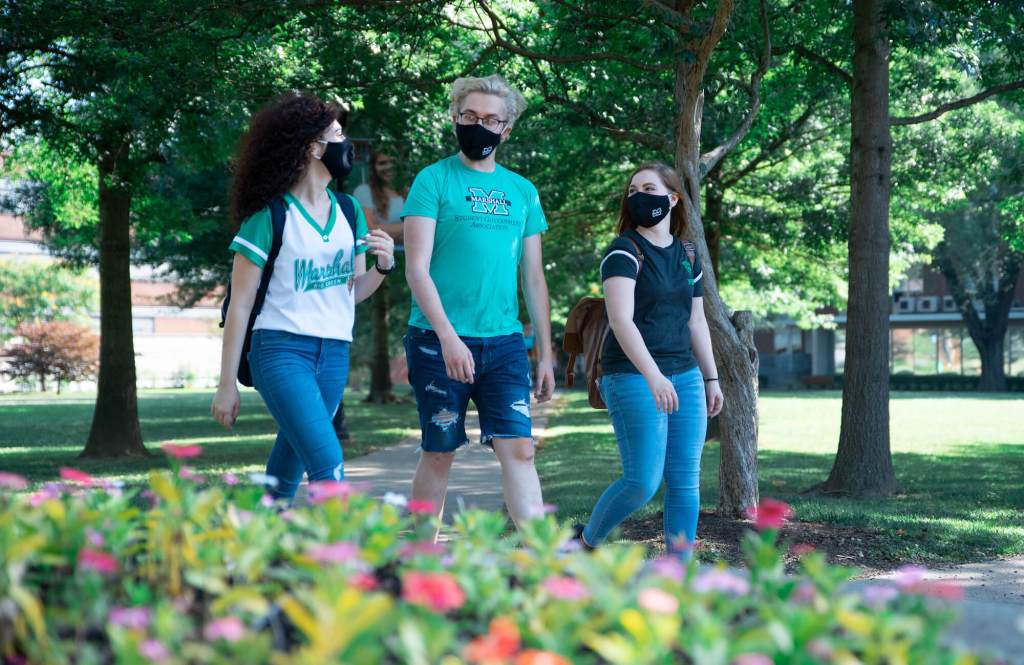
Throughout this time, RMC residents experienced a strong sense of community. Rather than studying alone at home, they learned alongside peers—connected, supported, and safe. We strictly observed protocols to ensure public health was protected, even as we prioritised connection and belonging.
Crises have the power to shape identity. At RMC, we chose to be intentional—letting the moment press us deeper into who we are called to be. We didn’t retreat. We stepped up. And through it all, we discovered that even in uncertainty, care can be steadfast, and community can grow strong.
And so a reflection:
When the storm came,
we didn’t run.
We turned inward—
not to hide,
but to remember
who we are.
Beneath the fear,
beneath the rules and rosters,
we found our core:
Care.
Not a slogan,
but a steady choice—
to open doors
when others closed them,
to hold space
for students far from home,
to walk through the unknown
together.
We stayed.
We served.
We gave what we could,
because that’s who we are
when it matters most.
Crisis doesn’t change us.
It reveals us.
And sometimes,
it makes us truer
than we thought we could be.


 The Afterword
Leave a comment