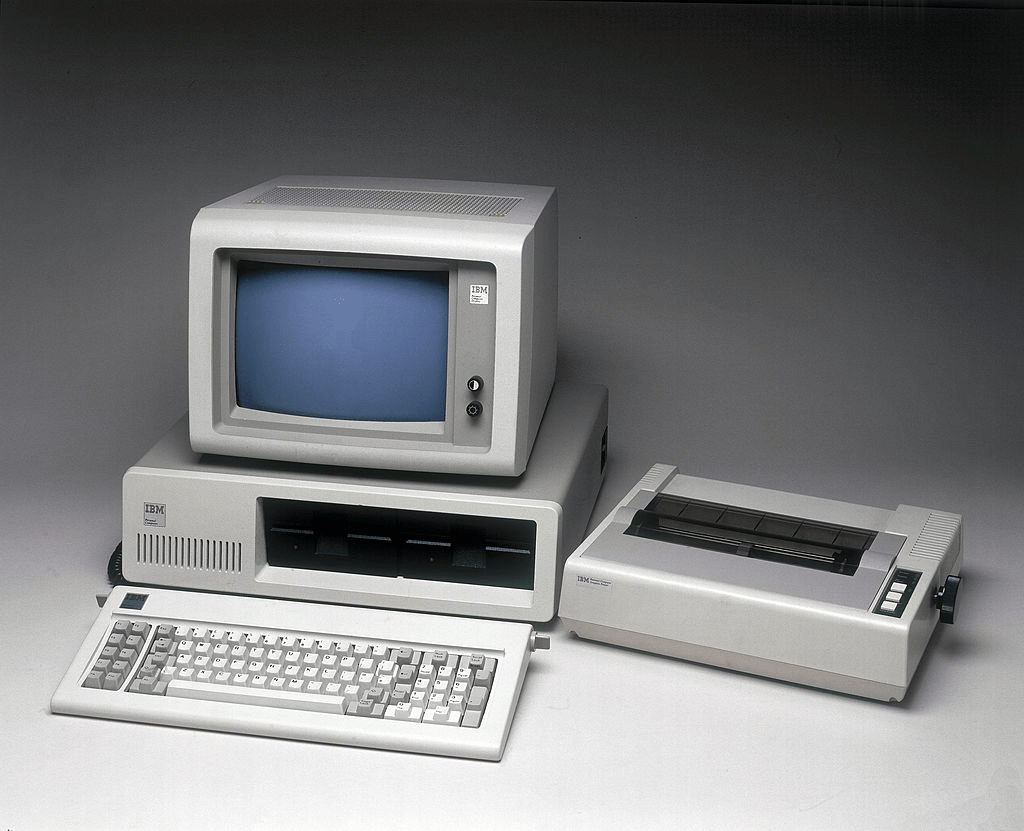
Write about your first computer.
I was late to the party, at least compared to the people around me.
In 1981 I worked for a major bank as a computer programmer. Even in a small team, I was the odd one out. Everyone else seemed fixated on coding. They talked about it at lunch, took it home, and bought their own machines. A lot of them had an Atari. I didn’t. Coding was a job for me, not a lifestyle, and I didn’t want it consuming my home life as well. I was also on the verge of leaving to study at theological college, so my head was already somewhere else.
After study I was completely broke. I didn’t need a computer because hardly anyone had one. If we could afford the essentials, we were happy.
We bought our first computer in 1994, when PCs were starting to show up in normal households. It was a basic machine from a computer shop someone recommended. What I remember most is not the computer itself, but the decisions around it — especially software. Friends were using WordPerfect. I’d tried it and wasn’t impressed. Around that time I met someone who worked for Microsoft and he offered to sell me software through him. He tried to convince me that Microsoft Works was all I needed. I wasn’t convinced. I asked for Microsoft Office instead — Word, Excel, PowerPoint, and Access.
It turned out to be a good decision. Those programs became the dominant players, and I ended up using them for years. I didn’t know that would happen at the time. It wasn’t foresight. It was just a simple instinct: if I’m going to learn a tool, I want it to be a good one.
That first computer taught me a few things about myself. One is that I’m not drawn to technology for its own sake. I like tools that help me do real work. Another is that I’d rather invest my attention in people than in gadgets. And maybe the biggest one: timing matters. I didn’t need a computer in 1981 at home. In 1994 it became useful. Over the next few years, email became normal, and the internet started to shift from curiosity to necessity. Without making a big announcement, the computer stopped being a novelty and became part of ordinary life.
I still think that’s the best way for technology to arrive: quietly, usefully, and without demanding to be the centre of the story.


 The Afterword
Leave a comment