What aspects of your cultural heritage are you most proud of or interested in?
When I think about my cultural heritage as an Australian, I don’t immediately go to music, food, or fashion. I go to politics—not the bickering kind, but those rare, defining decisions that have shaped the fabric of our nation.
There are two moments in my lifetime when I felt genuinely proud of what our leaders achieved. They came from opposite ends of the political spectrum—one from the left, one from the right—but both mattered deeply.
The first was the decision to make superannuation compulsory for all workers. A simple legislative act, perhaps, but one with generational consequences. It shifted the way Australians think about ageing. No longer was retirement something that depended purely on chance, savings, or government support. Superannuation created a framework of dignity and fairness. It was a small idea with enormous reach—one that continues to make Australia a fairer place.
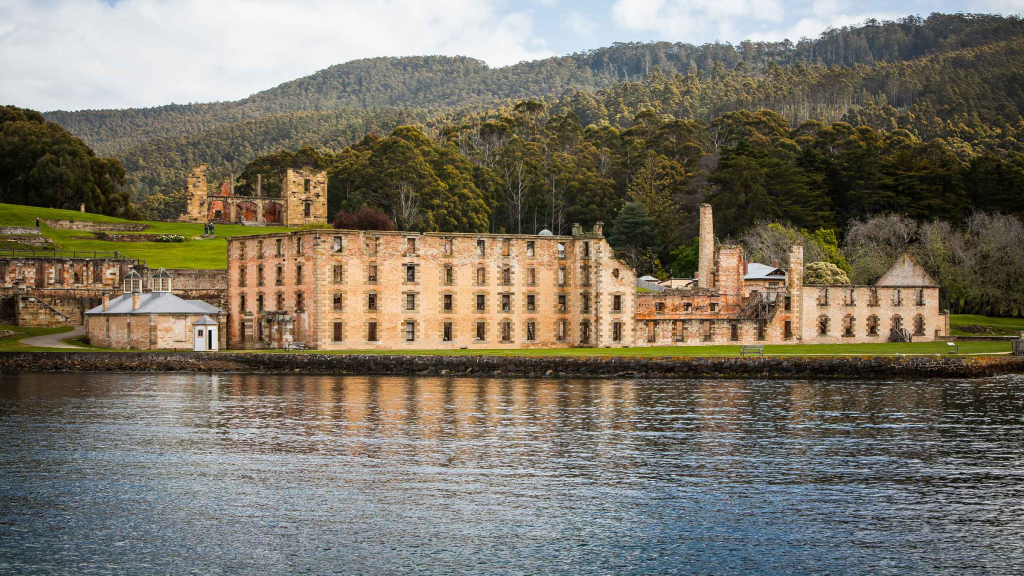
The second was the response to the Port Arthur massacre in 1996. In the aftermath of horror, Australia acted. Gun laws were tightened, weapons were surrendered, and a clear line was drawn: the safety of our people mattered more than ideology. What stands out most to me is that this was a bipartisan moment—when politicians resisted the temptation to divide and instead united around the common good. It was a bold initiative that made our country safer, and it remains a source of pride.
Heritage is rarely neat. It’s woven from pride and disappointment, from moments of courage and times of compromise. For me, the story of Australia is a tapestry of contradictions: a nation capable of bold, life-giving decisions, yet also prone to self-interest and indifference. A people who can be generous and funny, yet sometimes cruel and dismissive.
Perhaps that’s why those two political decisions stand out so strongly. They remind me of what’s possible when we rise above partisanship, short-term gain, and fear. They hint at the kind of heritage I want to be proud of: one where fairness and safety are not exceptions, but norms.
Our cultural heritage, in the end, is not fixed. It is something we keep shaping—through our policies, our values, and the way we treat each other. I hope the next generation will look back and find more moments to be proud of.


 The Afterword
Leave a comment