Picture a man at the edge of a crowd. Not trying to stand out, not trying to blend in. He’s the one scanning the space, not nervously, not passively, but like someone looking for a familiar voice. That could be you. You’re the one he’s waiting for.
He’s a touch over six feet tall—tall enough that you’d notice him in a group photo, but not tall enough to make a scene when he enters a room. He walks like he’s got somewhere to be but would stop to help you find your way, or tell you the story behind the mural in the foyer, or quietly ask your name so he can say it properly the next time.
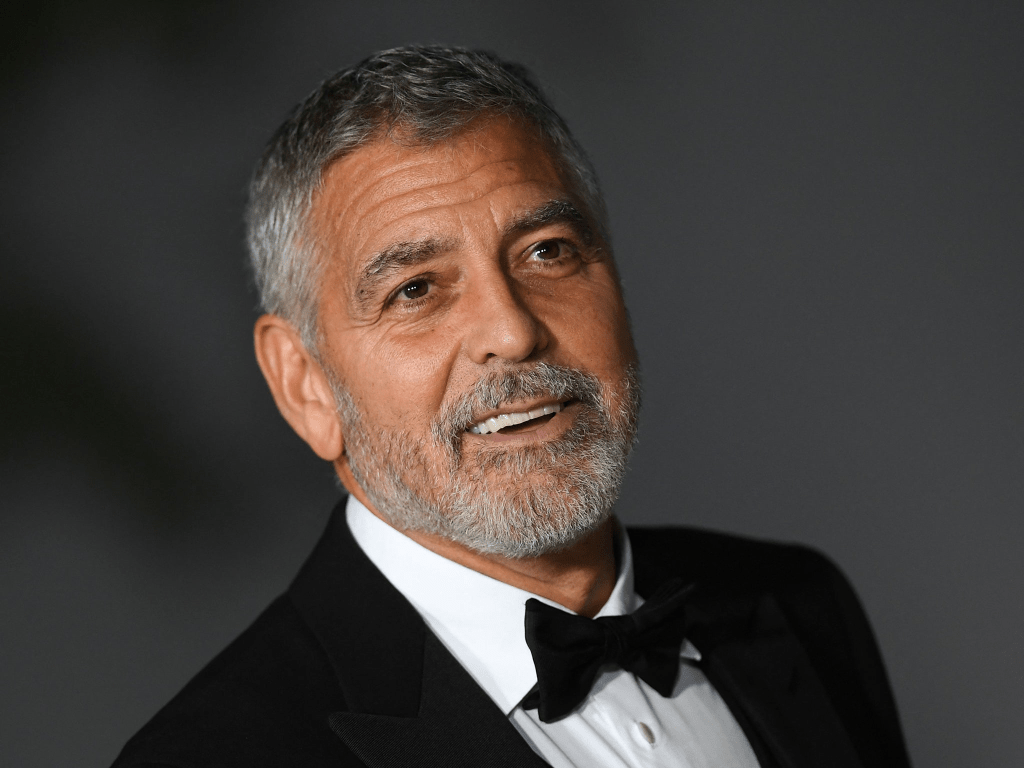
His hair’s what people call “salt and pepper”—the colour of experience. It used to be dark brown, and now it’s not quite grey but steadily getting there. A colleague of his wife once called him a silver fox. His family laughed. He laughed too, a bit awkwardly, like someone who knows how to take a compliment but would rather talk about something else.
He’s not bald. That matters because one time in Tasmania a family described the man picking him up from the airport as “bald and ugly.” He recognised the man immediately. He was definitely bald, not ugly at all. Everyone thought that was hilarious. And somehow that description—bald and ugly, but not really—has stuck around in the corners of memory, like a reminder that we often describe ourselves with more honesty than precision, more humour than pride.
He only wears glasses for reading, which means you won’t see them unless he’s leaning over a book, or writing notes in the margins, or scanning the fine print on a train timetable. His clothes are unremarkable in the best possible way—button-up shirts, maybe a jacket with pockets that carry far more than anyone would guess. His look says: I came prepared, not: look at me.
If you couldn’t see him, you’d probably know him first by his voice. It’s low and steady, warm around the edges. The kind of voice that doesn’t need to be raised to be heard. The kind that carries through a conversation like a good sentence—structured, thoughtful, and rarely in a rush.
You might hear the quiet thud of his footsteps as he approaches. Not heavy, not hurried. He moves like someone who has spent years walking alongside others—not ahead, not behind, but beside. He’ll offer his hand when he greets you, not to grip but to ground. If he touches your arm or shoulder, it will be brief, respectful, steady. You’ll feel it, and know you’ve been noticed.
Once, an international student told him he looked like George Clooney. He jokingly promised the student a High Distinction. He didn’t deliver, of course—but he still remembers the line, and the charm it took to say it.
He won’t overwhelm the room. But give him a few minutes, and you’ll realise he’s holding the space in quiet, intentional ways. Not trying to impress you. Not trying to fix anything. Just there, with you.
He listens. Not just with his ears, but with presence.
He won’t rush you.
He’ll try to say your name like you’ve known each other longer than you have.


 The Afterword
Leave a comment